In recent years, the term “superfood” has become a buzzword in the world of health and wellness. From acai berries and kale to chia seeds and matcha, certain foods have been elevated to almost mythical status — praised for their ability to boost energy, fight disease, and even slow aging. But how much of this hype is backed by science? Are “superfoods” truly superior, or are they simply the product of clever marketing?

What Are Functional Foods?
Functional foods are foods that offer health benefits beyond basic nutrition. They may contain biologically active compounds—such as antioxidants, probiotics, or omega-3 fatty acids—that can help improve health or reduce the risk of disease. Common examples include fortified foods (like calcium-enriched orange juice), naturally nutrient-dense foods (like blueberries or salmon), and foods with added bioactive ingredients (like probiotic yogurt).
While the concept of functional foods is supported by scientific research, the term “superfood” is not a scientific classification. It’s primarily a marketing term used to promote nutrient-rich foods that may have certain health benefits.
The Science Behind the Hype
Many so-called superfoods do have impressive nutritional profiles. For instance:
- Blueberries are rich in anthocyanins, antioxidants that may reduce inflammation and improve heart health.
- Chia seeds are loaded with omega-3 fatty acids, fiber, and protein.
- Kale is packed with vitamins A, C, and K, as well as minerals like calcium and potassium.
- Turmeric contains curcumin, a compound known for its anti-inflammatory and antioxidant properties.
However, eating one specific “superfood” will not transform your health overnight. Most research supporting their benefits is based on isolated nutrients or compounds in concentrated forms — not typical serving sizes in everyday diets. In other words, while blueberries are healthy, eating them won’t erase the effects of an overall poor diet or sedentary lifestyle.

The Marketing Machine Behind Superfoods
The superfood phenomenon is largely driven by the food and supplement industries. Labeling a food as “super” makes it more appealing — and often more expensive. For example, exotic items like goji berries or spirulina are marketed as miracle foods, even though common fruits and vegetables, such as apples or spinach, provide comparable nutrients at a lower cost.
This marketing can create the false impression that only expensive or rare foods are beneficial for health, which may discourage people from focusing on balanced, accessible diets.
A Balanced Approach to Functional Eating
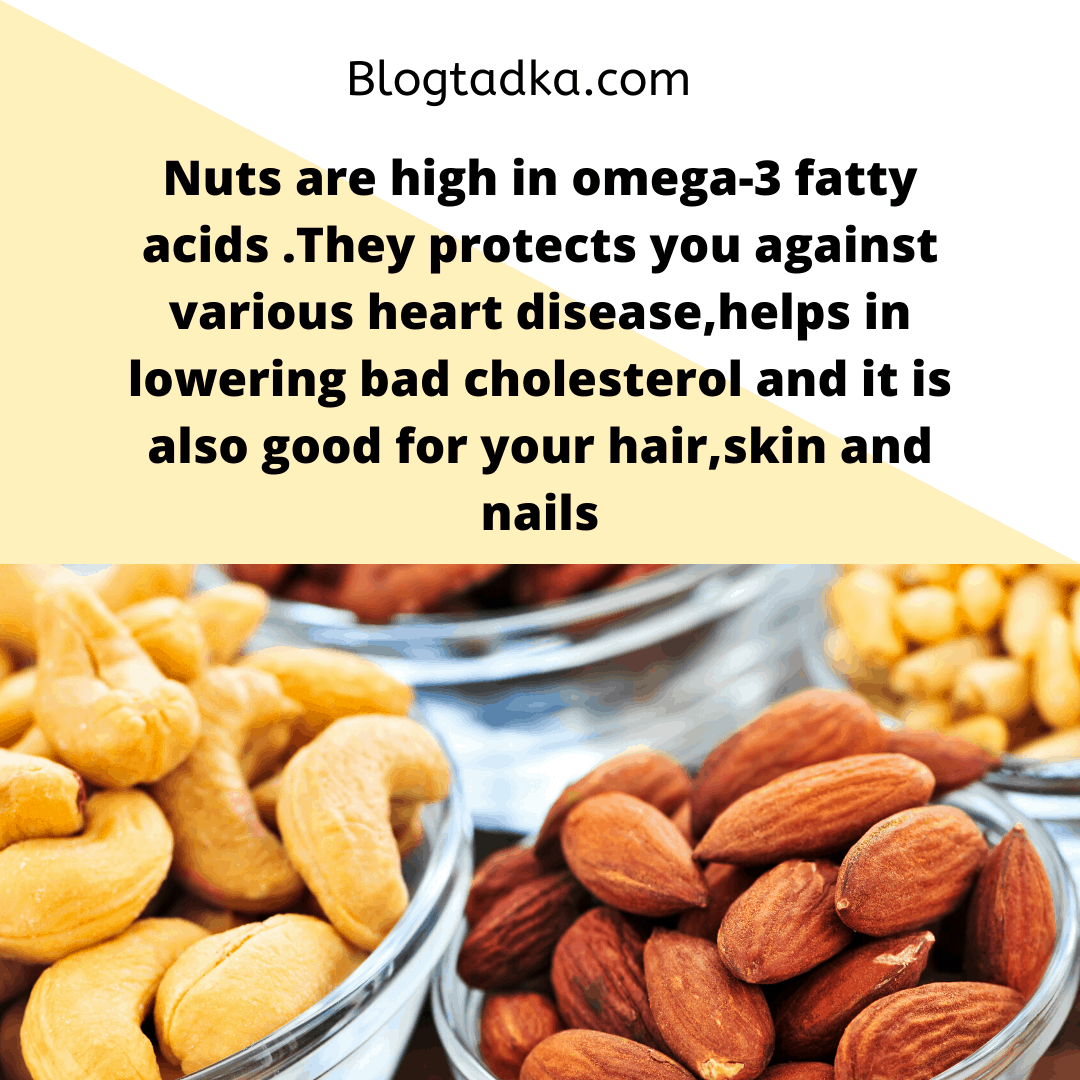
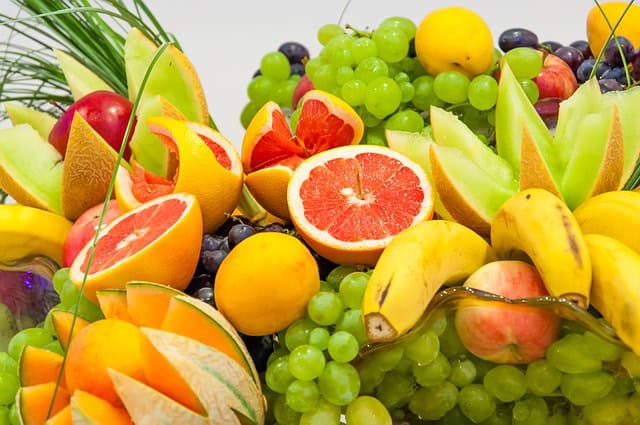
Rather than chasing the latest superfood trend, a better approach is to embrace variety and balance. A diet rich in colorful fruits, vegetables, whole grains, lean proteins, and healthy fats will naturally provide a wide range of functional nutrients. Everyday foods like oats, beans, nuts, and broccoli are all “super” in their own right.
Moreover, the synergy between different foods — how nutrients work together — often has a greater impact on health than any single ingredient.

The Bottom Line
Superfoods may not be magic bullets, but many of them are indeed nutrient-dense and can contribute to a healthier diet. The key is not to focus on one particular food but to build a diverse, balanced eating pattern that includes a variety of functional foods.
So, are superfoods really that super? The answer is: they can be — but only as part of a super diet.
References
- Harvard T.H. Chan School of Public Health. Superfoods or Superhype?
- Mayo Clinic. Functional Foods: What They Are and How They Work.
- Journal of Nutrition (2021). Role of Bioactive Compounds in Disease Prevention.